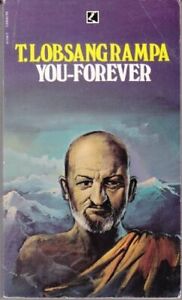
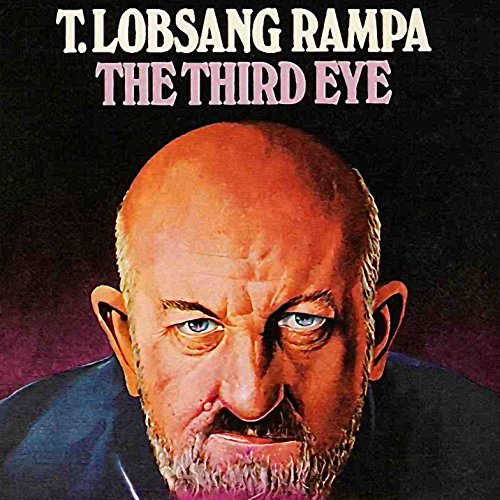
The Third Eye by T. Lobsang Rampa is a controversial book first published in 1956. It claims to be an autobiography of a monk from Tibet, offering a detailed account of his experiences and spiritual journey. The book fascinated many readers with its exotic descriptions of Tibetan Buddhism, mysticism, and the concept of the “third eye,” but it also sparked significant controversy regarding its authenticity.
Summary
The Third Eye narrates the life of Lobsang Rampa, a young boy chosen to become a lama in Tibet. The book describes his training in a lamasery, including rigorous spiritual exercises, meditation practices, and mystical experiences. One of the most intriguing aspects of the book is the detailed account of a surgical operation performed to open the “third eye,” a mystical organ purported to grant enhanced perception and clairvoyance.
Key Themes and Concepts
-
Tibetan Buddhism and Mysticism:
- The book provides an in-depth look into Tibetan Buddhist practices, rituals, and beliefs.
- It discusses the spiritual significance of meditation, mantras, and other esoteric practices.
-
The Third Eye:
- The concept of the third eye is central to the book. It is described as an organ that, when activated, allows the individual to see auras, spirits, and other supernatural phenomena.
- The opening of the third eye is said to enhance intuition, spiritual awareness, and psychic abilities.
-
Monastic Life in Tibet:
- The book portrays the daily life and training of monks in Tibetan lamaseries.
- It discusses the discipline, education, and spiritual practices required to become a lama.
-
Cultural and Spiritual Insights:
- The Third Eye provides readers with a glimpse into the rich cultural heritage and spiritual traditions of Tibet.
- It highlights the unique worldview and spiritual philosophy of Tibetan Buddhism.
Controversy
After the publication of The Third Eye, many scholars and Tibet experts began to question the authenticity of the book. Investigations revealed that T. Lobsang Rampa was actually Cyril Henry Hoskin, a British plumber with no verifiable connection to Tibet or Tibetan Buddhism. This revelation led to widespread skepticism about the accuracy and legitimacy of the book’s content. Despite this, the book continued to be popular and influential, especially among readers interested in spirituality and mysticism.
Impact and Legacy
The Third Eye has had a lasting impact on popular perceptions of Tibetan Buddhism and mysticism. While its authenticity remains disputed, the book has inspired many readers to explore spiritual practices and esoteric traditions. It also sparked interest in the concept of the third eye, which has become a popular motif in various spiritual and metaphysical teachings.
Conclusion
The Third Eye by T. Lobsang Rampa is a fascinating yet controversial work that offers a captivating narrative about Tibetan Buddhism and mysticism. Whether viewed as a genuine autobiography or a work of imaginative fiction, it has left a significant mark on spiritual literature and continues to be a subject of interest and debate.